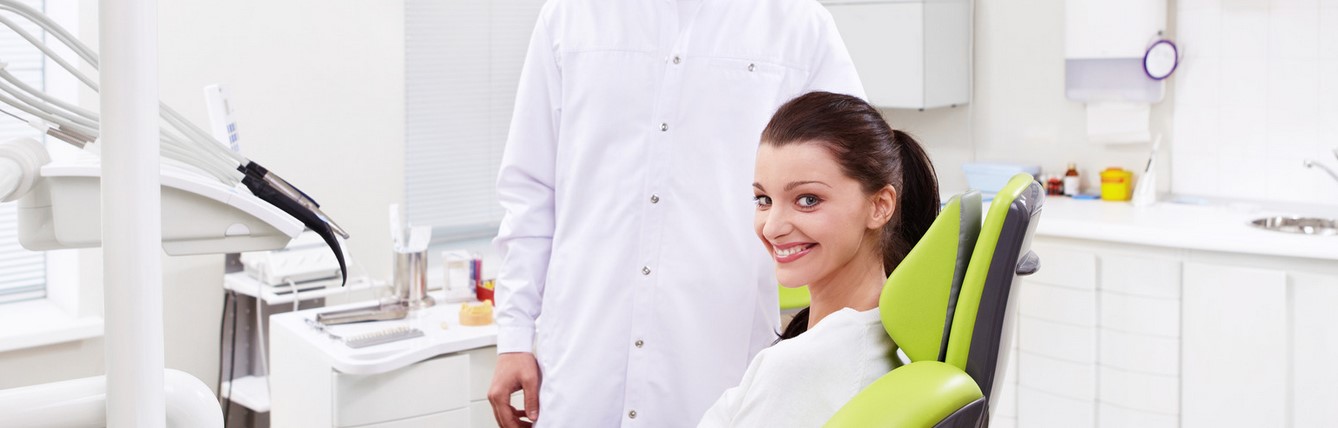
Dr. A. Anthony Rassouli is a highly respected dentist known for combining clinical excellence with genuine, patient-focused care. A graduate of the USC School of Dentistry, he served as class president throughout his dental education, reflecting both his leadership and commitment to the profession. Dr. Rassouli has also served as a clinical faculty member at USC and is a co-founder of the South Coast Dental Academy, which supports ongoing dental education. His approach is centered on comfort, clarity, and long-term oral health, helping patients feel confident at every visit.
Introduction
Most people think Invisalign is all about straightening teeth, but what they do not always talk about is how Invisalign feels in daily life. The truth is, comfort plays a big role in how successful your treatment will be. Small habits, daily choices, and simple routines can make the difference between a smooth experience and one that feels frustrating.
According to Dr. A. Anthony Rassouli at the Center for Oral Health, Invisalign is designed to fit naturally into everyday life. However, patients who feel most comfortable are usually those who understand how to care for their aligners, manage minor discomfort, and adjust their daily routine in smart ways. Invisalign should not feel like something you are constantly fighting against. Instead, it should quietly work in the background while you go about your day.
This guide focuses on practical, real-life comfort tips that Invisalign users can apply every day. These are not complicated rules or clinical instructions. They are simple habits that help aligners feel easier, smoother, and more natural from morning to night.
Understanding What Daily Comfort Really Means with Invisalign
Comfort with Invisalign is not just about avoiding pain. It is about how your mouth feels when you speak, how relaxed you are wearing aligners during long days, and how confident you feel managing them in public or social situations.
Dr. A. Anthony Rassouli explains that mild pressure is normal, especially when starting a new set of aligners, and this pressure is actually a sign that Invisalign is working. The goal is not to eliminate sensation, but to prevent unnecessary irritation or stress caused by poor habits. Read Dr. A. Anthony Rassouli’s thoughts on Invisalign comfort to better understand how proper habits support a smoother experience.
Comfort improves when patients stop focusing on the aligners themselves and start building routines that support their treatment.
Starting Your Day Right with Invisalign
Morning routines matter more than most people realize.
When you wake up, your mouth may feel slightly dry or tight. This is normal. Before doing anything else, rinse your mouth with water. This helps rehydrate your mouth and reduces stiffness, a simple habit emphasized by Dr. A. Anthony Rassouli on self-care with Invisalign aligners.
Clean your aligners gently every morning. Avoid using hot water, as heat can warp them. Lukewarm water and a soft brush are enough. Keeping aligners clean prevents odor and keeps them feeling smooth against your teeth.
Dr. A. Anthony Rassouli often reminds patients that a clean aligner feels more comfortable than one with buildup, even if the buildup is not visible.
Managing Pressure Without Stress
Pressure is part of Invisalign treatment, especially during the first day or two after switching to a new aligner. The key is how you respond to it.
Instead of constantly clenching or biting down, let your teeth rest naturally. If pressure feels noticeable, focus on slow breathing. Tension in your jaw can make discomfort feel worse than it actually is.
Some patients find that gently closing their lips and relaxing their facial muscles reduces awareness of pressure. Small changes like this can significantly improve comfort. Dr. A. Anthony Rassouli advises patients not to overthink pressure, as Invisalign works best when you allow your mouth to adapt naturally. Learn self-care practices for Invisalign from Dr. A. Anthony Rassouli to support this process.
Staying Comfortable While Talking
Speech changes are one of the most common early concerns with Invisalign. While most people adjust quickly, there are ways to make the transition smoother.
Practice speaking out loud at home. Reading or having conversations helps your tongue adapt faster. Avoid whispering or holding your mouth stiff while talking, as this can create tension.
Hydration plays a major role here. A dry mouth makes speech feel awkward. Drinking water throughout the day helps aligners sit more naturally and reduces friction.
According to Dr. A. Anthony Rassouli, confidence matters as well. The more relaxed you are, the faster your speech returns to normal.
Aligners and Long Workdays
Wearing Invisalign during long workdays can feel different than wearing them at home. Extended speaking, stress, and reduced water intake can all affect comfort.
Set reminders to drink water regularly. Even small sips help keep your mouth comfortable. Avoid chewing on pens or clenching your jaw when concentrating.
If you feel soreness building, take a short break to relax your jaw and facial muscles. Stretching your neck and shoulders can also reduce jaw tension.
Dr. A. Anthony Rassouli emphasizes that overall body posture and stress levels often influence how Invisalign feels in the mouth.
Keeping Your Mouth Fresh and Comfortable
Freshness equals comfort. A clean mouth reduces irritation and makes aligners feel less noticeable.
Brush and floss consistently as instructed by your dental provider. Food particles trapped between teeth can cause pressure points when aligners are worn.
Rinsing your mouth with water during the day helps remove buildup and keeps tissues calm. Avoid harsh mouthwashes unless recommended, as they can dry out the mouth.
Comfort is not just physical. Feeling fresh boosts confidence and helps Invisalign blend into your daily routine.
Nighttime Comfort Tips That Make a Difference
Night is when your aligners work the longest without interruption. Making nighttime comfortable is essential.
Before bedtime, clean your aligners thoroughly. This prevents buildup and keeps them smooth while you sleep. Make sure aligners are fully seated, as improper seating can cause uneven pressure that becomes noticeable at night. Read Dr. A. Anthony Rassouli’s thoughts on Invisalign comfort to better understand how these small steps support a more comfortable experience.
If you tend to clench your jaw while sleeping, focus on relaxation techniques before bed. Gentle breathing or calming routines can help reduce tension.
Dr. A. Anthony Rassouli notes that good sleep habits support both comfort and treatment progress.
Adjusting to New Aligners Smoothly
Switching to a new set of aligners is a normal part of treatment. Still, the transition need not feel uncomfortable.
Many patients prefer to change their aligners in the evening. This allows the initial pressure to settle while you sleep.
Stay consistent with wear time during the first day. Removing aligners too often can prolong the adjustment.
If tenderness appears, remind yourself that it usually fades quickly. Gentle care and patience go a long way.
Dr. A. Anthony Rassouli reassures patients that adaptation is part of progress.
Mental Comfort Matters Too
Comfort is not only physical. It is also mental.
Some patients feel overly aware of their aligners at first. This awareness fades with time, especially when routines become second nature.
Avoid constantly checking your teeth or aligners in mirrors. Trust the process.
Celebrate small milestones, such as noticing smoother speech or easier wear. These moments reinforce confidence and reduce stress.
Dr. A. Anthony Rassouli encourages patients to focus on progress, not perfection.
Building Confidence in Social Situations
Social settings can feel intimidating at first, but Invisalign is discreet.
Most people will not notice your aligners unless you point them out. Speaking confidently and smiling naturally helps aligners blend in. If you feel self-conscious, remind yourself that Invisalign is temporary and improvement is happening daily. Invisalign care tips from Dr. A. Anthony Rassouli emphasize building confidence throughout the treatment journey.
Confidence improves comfort. The more at ease you feel socially, the less noticeable aligners become in your daily life.
Staying Consistent Without Feeling Restricted
Consistency is key, but it should not feel like a burden.
Plan your day so aligner care fits smoothly into your routine. Keep your supplies organized and accessible.
Avoid viewing Invisalign as something that limits you. Instead, see it as a tool quietly improving your smile.
Dr. A. Anthony Rassouli believes that the most comfortable Invisalign journeys are built on realistic expectations and simple habits.
Frequently Asked Questions
1. Is it normal to feel pressure every day with Invisalign?
Mild pressure is normal, especially when starting a new aligner. It usually fades as your teeth adjust.
2. How long does it take to feel fully comfortable wearing aligners?
Most patients adjust within a few weeks. Comfort improves as routines become familiar.
3. Can stress make Invisalign feel uncomfortable?
Yes. Jaw tension and stress can increase discomfort. Relaxation helps significantly.
4. Should aligners feel tight at night?
They may feel slightly tighter when first worn at night, but they should not cause pain.
5. What should I do if the aligners feel irritating?
Ensure they are clean, properly seated, and that your mouth is well hydrated. Contact your dental provider if irritation continues.
Conclusion
Invisalign is designed to fit into real life, not disrupt it. Daily comfort comes from small, consistent habits rather than major changes. When patients focus on hydration, relaxation, cleanliness, and confidence, Invisalign becomes easier to wear and easier to forget about.
Dr. A. Anthony Rassouli believes that comfort and success go hand in hand. When patients feel comfortable, they stay consistent. When they stay consistent, results follow naturally.
Invisalign is not just about straight teeth. It is about building a routine that supports comfort, confidence, and progress every single day. Explore mindful aligner use with Dr. A. Anthony Rassouli to better understand this approach.
———————————————————————————————————————————————————
Remember: Comfort comes from consistency and calm habits, not force or overthinking. Small daily choices make Invisalign feel natural and manageable.
Disclaimer: This content is for general information only and does not replace professional dental advice. Always follow your dental provider’s personalized guidance on Invisalign care and comfort.