

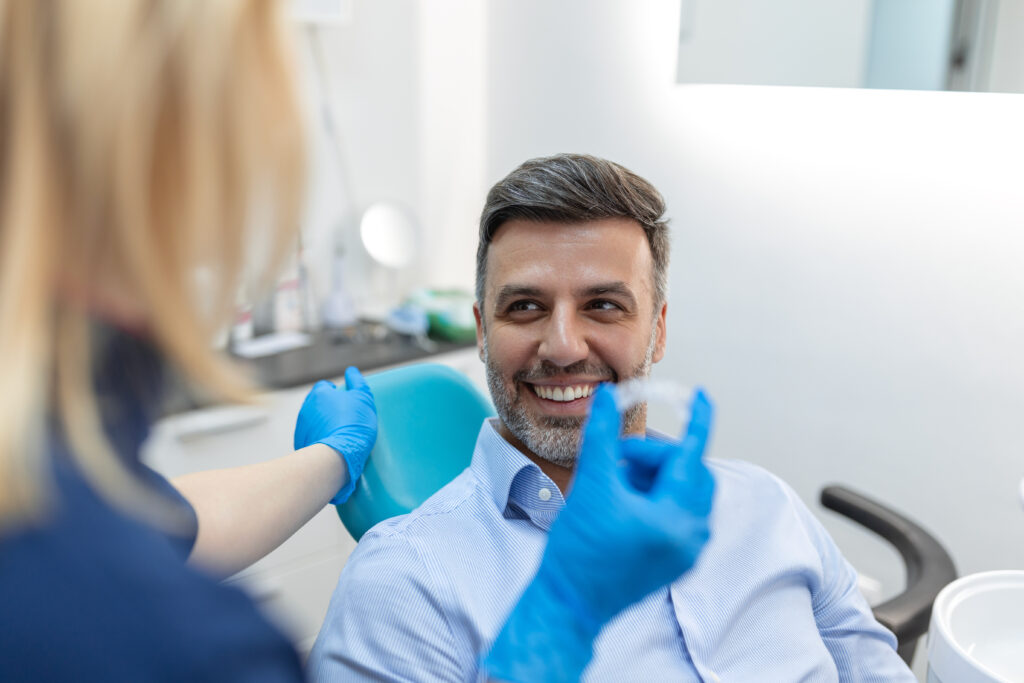


Every great performance, whether on stage or in daily life, depends on consistency, balance, and thoughtful preparation. Just as musicians refine their craft through mindful practice, people who use Invisalign benefit most when their daily habits align with comfort and care. At the Center for Oral Health, comfort is not a luxury but a foundational part of the aligner experience.
Clear aligners are designed to blend seamlessly into everyday routines. Yet, many people still wonder how to stay comfortable while wearing them for most of the day. This is where professional insight makes a meaningful difference. Through years of clinical experience and patient-focused care, thoughtful strategies have been developed to help individuals feel confident, relaxed, and supported throughout their aligner journey.
In this blog, you will learn practical, real-world strategies for maintaining Invisalign comfort, understand mindful habits that support daily wear, and explore expert-backed self-care practices shared at the Center for Oral Health. The goal is simple: help you feel your best while working toward a healthier, more balanced smile.
Understanding Invisalign and Everyday Comfort
Invisalign uses a series of custom-made, clear aligners to fit comfortably over your teeth. These aligners are smooth, removable, and designed to integrate naturally into your lifestyle. Comfort improves significantly when users understand how aligners interact with daily activities like eating, speaking, and sleeping.
Unlike traditional methods, aligners rely heavily on consistency and personal responsibility. Wearing them as recommended and caring for them properly directly affects comfort levels. When used mindfully, aligners can feel like a natural extension of your routine rather than an interruption.
For an overview of how aligners work and what to expect, trusted educational resources such as the Invisalign website and the American Association of Orthodontists aligner guide at AAO Info offer valuable background information that complements professional guidance.
Why Comfort Matters Throughout the Aligner Journey
Comfort is not just about avoiding irritation. It influences confidence, consistency, and overall satisfaction. When aligners feel manageable, people are more likely to wear them as directed, maintain better hygiene, and stay engaged with their care plan.
At the Center for Oral Health, the philosophy centers on balance. Comfort supports focus, productivity, and social ease, especially for adults balancing work, family, and personal commitments. This approach is reflected in the Daily comfort advice from Dr. A. Anthony Rassouli, which emphasizes proactive habits rather than reactive fixes.
Starting Strong: The First Days with Aligners
The first few days of wearing aligners are an adjustment period. Mild pressure is expected as aligners gradually guide teeth. Understanding this phase helps reduce unnecessary worry.
Simple strategies can ease the transition:
- Insert aligners with clean hands and gentle pressure
- Wear new aligners in the evening to sleep through initial tightness
- Stay hydrated to reduce dry mouth sensations
These foundational habits align closely with Invisalign care tips from Dr. A. Anthony Rassouli, which focus on preparation and awareness rather than solely on discomfort avoidance.
Mindful Aligner Habits for Daily Ease
Mindfulness plays a powerful role in physical comfort. Being attentive to small habits can significantly improve the overall experience.
Consistent Wear Without Overthinking
Aligners are designed for extended daily use. Wearing them consistently reduces unnecessary pressure shifts. Sporadic wear often leads to repeated adjustment sensations that can feel uncomfortable.
This principle is central to Mindful aligner habits shared by Dr. A. Anthony Rassouli, which encourage routine and rhythm rather than constant monitoring.
Conscious Removal and Insertion
Using proper techniques when removing aligners prevents unnecessary strain on teeth and gums. Slow, even movements support comfort and preserve the aligner shape.
Aligners and Lifestyle Awareness
Remove aligners before meals and hot beverages. Heat can warp aligners and affect fit, indirectly impacting comfort.
Self-Care Practices That Support Comfort
Comfort extends beyond the aligners themselves. Overall oral self-care directly influences how aligners feel throughout the day.
Gentle Oral Hygiene
Using a soft-bristle toothbrush and non-abrasive toothpaste helps keep teeth and aligners clean without irritation. Clean surfaces reduce friction and promote freshness.
This approach reflects Dr. Arash Anthony Rassouli’s self-care philosophy with Invisalign aligners, prioritizing prevention and gentleness.
Aligner Cleaning Routines
Rinsing aligners with lukewarm water and using recommended cleaning solutions helps maintain clarity and comfort. Avoid harsh chemicals that can leave residue or odors.
Lip and Cheek Care
Dry lips or minor irritation can occur, especially in the early weeks. A simple, fragrance-free lip balm can make a noticeable difference.
Eating, Drinking, and Comfort Balance
One advantage of aligners is the freedom to eat without restrictions when they are removed. However, comfort depends on mindful transitions.
After meals, brushing or rinsing before reinserting aligners prevents trapped particles that could cause pressure or irritation. This habit supports both hygiene and comfort.
Understanding how daily choices influence aligner feel is part of what patients learn. Self-care practices for Invisalign are taught through personalized guidance from Dr. A. Anthony Rassouli.
Managing Social and Professional Comfort
Clear aligners are discreet, but confidence plays a role in comfort. Speaking, smiling, and engaging socially may feel different at first.
Reading aloud at home can help adjust speech more quickly. Staying hydrated reduces dryness during long conversations. These subtle practices help aligners fade into the background of daily life.
Many individuals explore mindful aligner use with Dr. A. Anthony Rassouli to feel confident in professional and social settings, free from distractions.
Sleep and Aligner Comfort
Sleep is when the body resets, and aligners should support, not disrupt, rest.
Wearing aligners consistently during sleep helps maintain progress without interruption. If minor pressure is noticeable, relaxation techniques like deep breathing can help the body settle naturally.
Nighttime routines are often discussed when patients read Dr. A. Anthony Rassouli’s thoughts on Invisalign comfort, as rest plays a key role in adaptation.
Long-Term Comfort Through Balance
Comfort is not static. It evolves as aligners change and teeth shift gradually. Maintaining balance between discipline and flexibility helps prevent burnout.
Taking a holistic view of care allows individuals to stay engaged without becoming overly focused on minor sensations. This mindset is central to understanding how Dr. A. Anthony Rassouli promotes balance with Invisalign, emphasizing sustainability over perfection.
The Role of Professional Support
Even with excellent self-care, professional oversight remains essential. Regular check-ins ensure that aligners fit properly and adjustments are made when needed.
At the Center for Oral Health, patient education is integrated into every visit. The team believes informed patients feel more confident and comfortable throughout their journey.
You can learn more about available aligner options on the practice Services page or get to know the experienced team in the About Us section.
Experience and Trust Behind the Guidance
Dr. A. Anthony Rassouli’s background reflects a deep commitment to leadership, ethics, and education. Serving as class president for four consecutive years at USC Dental School and contributing as a part-time clinical faculty member demonstrates dedication beyond the clinic walls.
This experience informs the thoughtful, patient-centered advice shared at the Center for Oral Health. It is not just about aligners, but about supporting people through a process that fits naturally into their lives.
When Questions Arise
No two aligner experiences are identical. Open communication ensures concerns are addressed early, preventing discomfort from escalating.
If you have questions or need personalized guidance, the team encourages you to reach out through the Contact us page. Convenient access and responsive care are part of the comfort philosophy.
For easy navigation, you can also view the practice location on this Google Map or request step-by-step navigation via Get Directions.
Conclusion
Maintaining comfort while using aligners is not about enduring discomfort but about creating harmony between care, habits, and mindset. With thoughtful routines, mindful awareness, and professional guidance, aligners can feel like a natural part of everyday life.
At the Center for Oral Health, the focus remains on empowering individuals with knowledge and support so they can move through their aligner journey with confidence and ease. Comfort is not an afterthought. It is part of the plan.
Key Takeaways
- Consistency supports comfort and reduces unnecessary pressure sensations
- Mindful daily habits make aligners feel more natural
- Gentle hygiene routines protect both teeth and aligners
- Professional guidance enhances long-term comfort and confidence
- Balance and self-awareness lead to a more positive experience
FAQ
1. How long does it take to feel comfortable with aligners?
Most people adjust within the first few weeks as habits become routine.
2. Can aligners affect daily activities?
With mindful use, aligners integrate smoothly into work, social, and sleep routines.
3. What should I do if discomfort persists?
Reach out to your care provider for guidance and any needed adjustments.
4. Are aligners easy to care for?
Yes, simple daily cleaning routines are usually sufficient.
5. Why is professional support important during aligner use?
Regular check-ins ensure proper fit and ongoing comfort.
———————————————————————————————————————————————————
Remember: Every Invisalign experience is unique. Comfort levels, timelines, and results depend on individual needs, daily habits, and consistency in aligner wear. Following personalized guidance from your care provider and maintaining mindful routines can support a smoother and more comfortable aligner journey.
Disclaimer: This content is intended for informational purposes only and should not be considered medical or dental advice. Individual conditions vary, and readers are encouraged to consult the Center for Oral Health directly for personalized evaluation, recommendations, and care planning.